Language
From Madurai, for Bharat and beyond

A fair chance for every person

RSL Family Foundation is a Section 8 not-for-profit company based in Madurai, Tamil Nadu, working for communities across India. Its focus is a fair chance for every person: food, education, health and technology for all; women empowerment and communities at the grassroots; open science, AI, cyber security and quantum technologies for public good; action on climate change, global warming, net-zero emissions, carbon sequestration and climate resilience; and community building, culture and disaster relief. The aim is a society where income, age, disability, gender or place of birth do not limit a person's chances, and a world of global unity, prosperity, equity and equality for all.

From Madurai, for Bharat and beyond.

Rooted in Madurai, Tamil Nadu, the Foundation works for communities across India and shares what it learns openly, so it can be of use well beyond.

Be part of the cause
How we help

Seven focus areas

The Foundation is new and does not take requests for individual help. Its work is built with the communities it serves, and news of every area will be shared here.

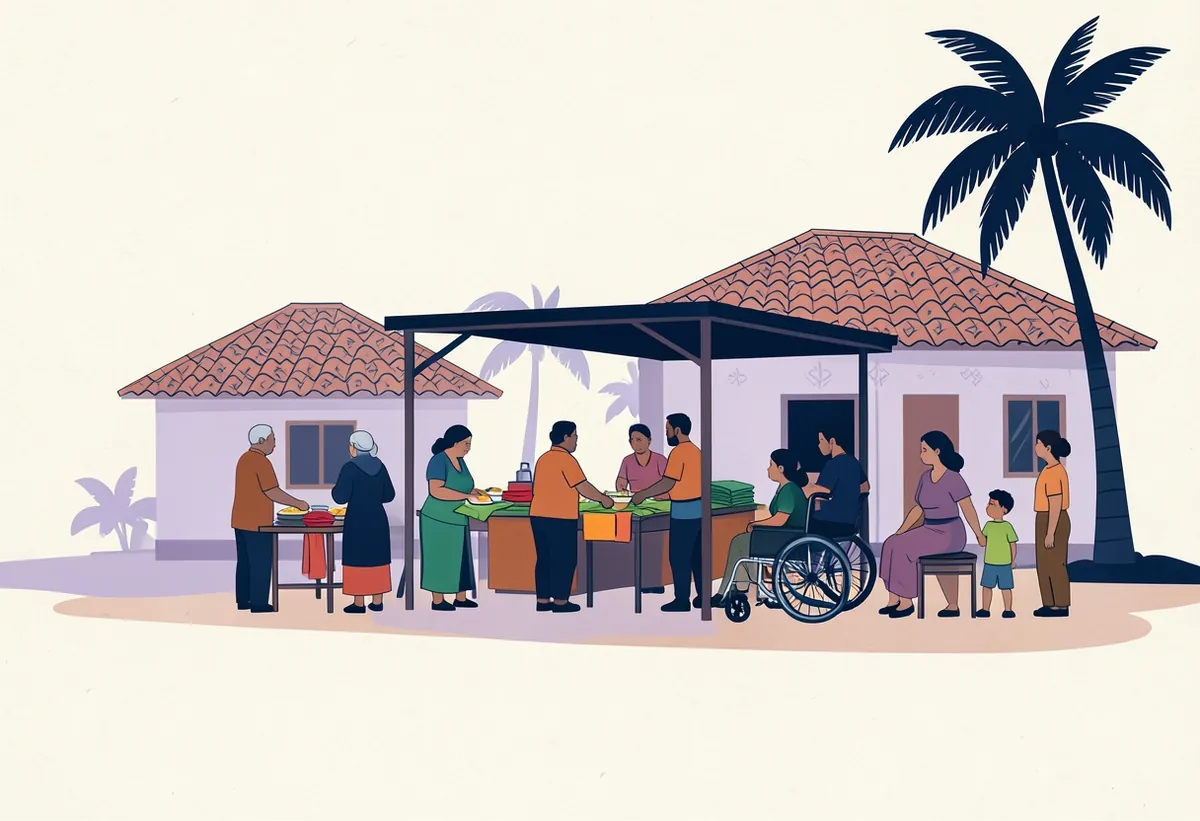
Illustration: volunteers serving meals under a shelter to older people, a woman in a wheelchair and a family.

01 / 07

Support for people in need

  1. Who it is for

    Widows and women without support, elderly people, orphans, persons with disabilities and families living on very little, especially in last-mile communities.

  2. How we help

    Food and nutrition, clothing, shelter, livelihood support, counselling, mentorship and guidance that helps people regain independence.

  3. The change we work towards

    Those facing hardship have food, shelter and care, and in time can support themselves and strengthen their communities.

Related Global Goals
  • Goal 1: No Poverty
  • Goal 2: Zero Hunger
  • Goal 10: Reduced Inequalities
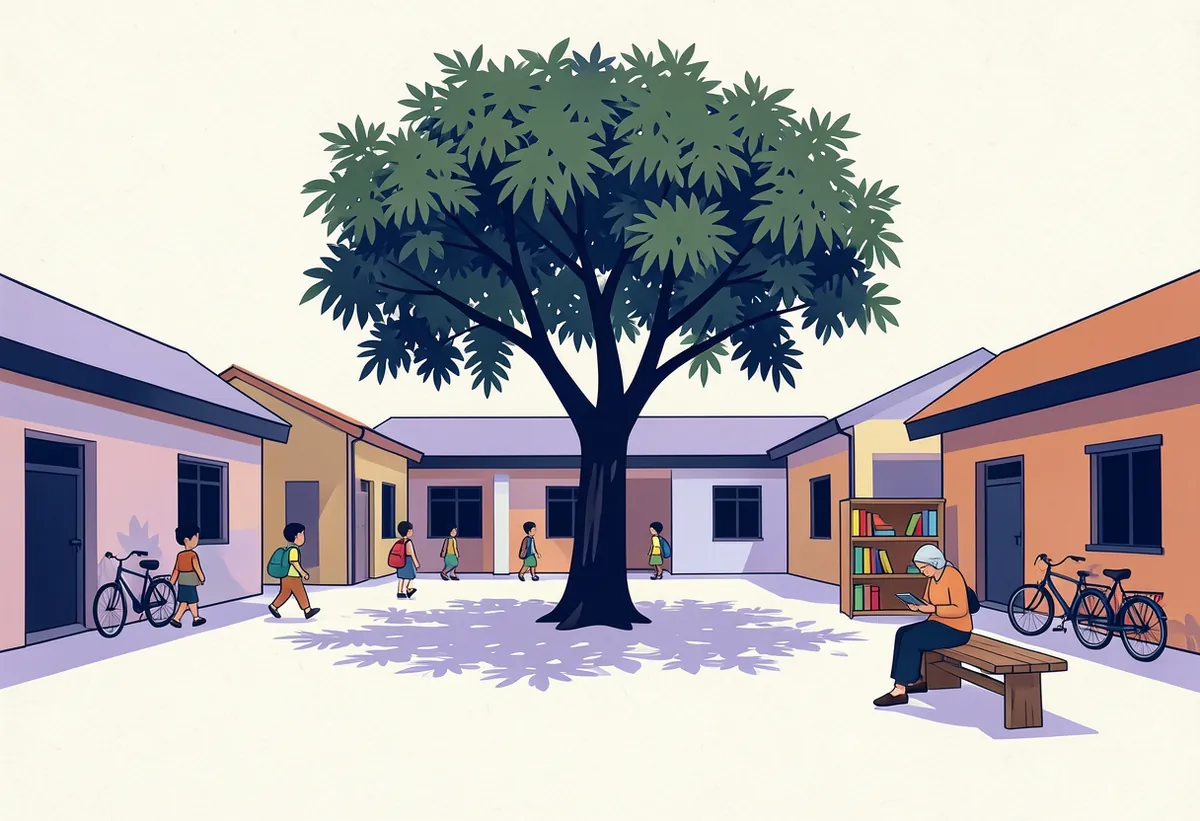
Illustration: children walking into a school courtyard under a tree while an older woman reads on a tablet.

02 / 07

Education and skills

  1. Who it is for

    Children from families with little income, young people looking for work, adults learning to read or use digital tools, and girls and women who have missed out on schooling.

  2. How we help

    Literacy and digital literacy, skills and vocational training, support for schools, libraries and training centres, and responsible use of AI and other technology so that learning reaches everyone.

  3. The change we work towards

    Children from poorer families stay in school longer, young adults find steadier work, and more women and girls take part in learning and earning.

Related Global Goals

  • Goal 4: Quality Education
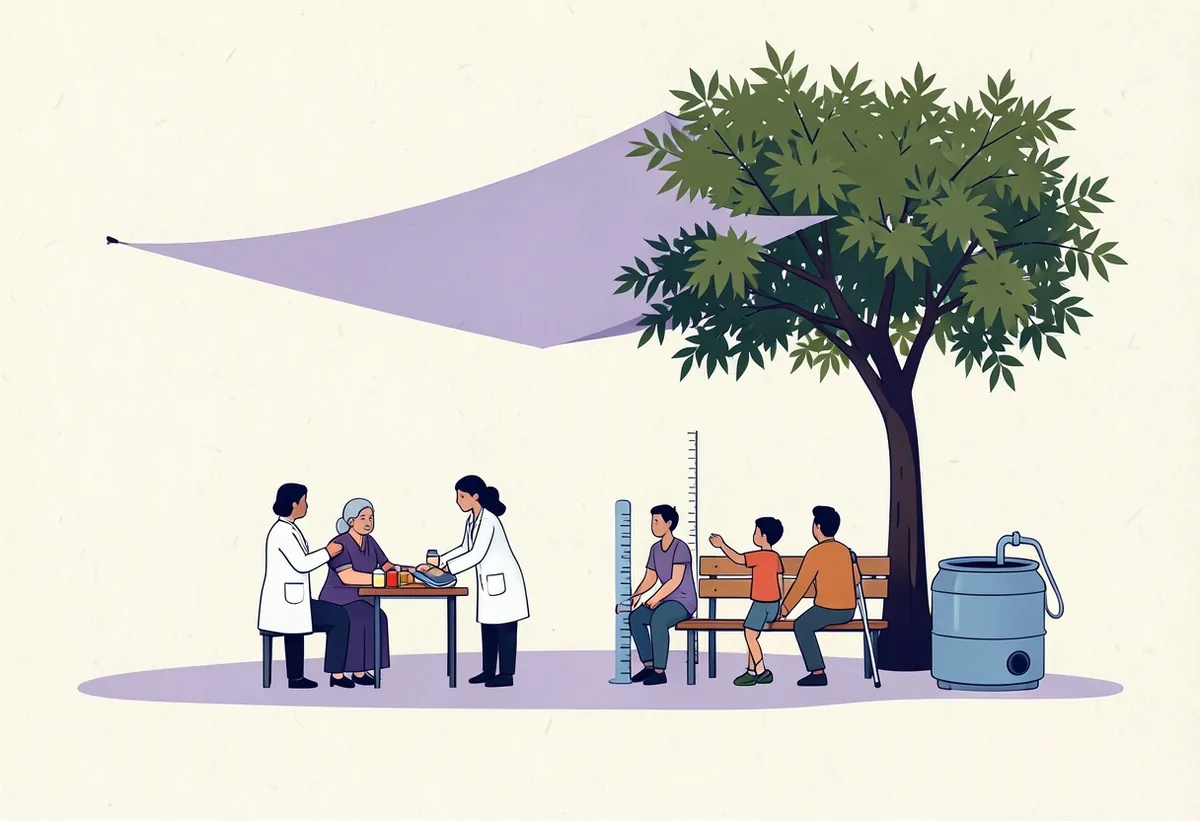
Illustration: a health camp under a canopy, with a doctor checking an older woman's blood pressure and people waiting.

03 / 07

Health

  1. Who it is for

    Families far from clinics, elderly people, persons with disabilities, women and children, and anyone who finds care hard to afford.

  2. How we help

    Medical camps, screening, awareness of health, hygiene, nutrition and mental health, and access to medicines and assistive aids.

  3. The change we work towards

    Illness is prevented where possible, found early and treated before it becomes a crisis for the family.

Related Global Goals

  • Goal 2: Zero Hunger
  • Goal 3: Good Health and Well-being
  • Goal 6: Clean Water and Sanitation
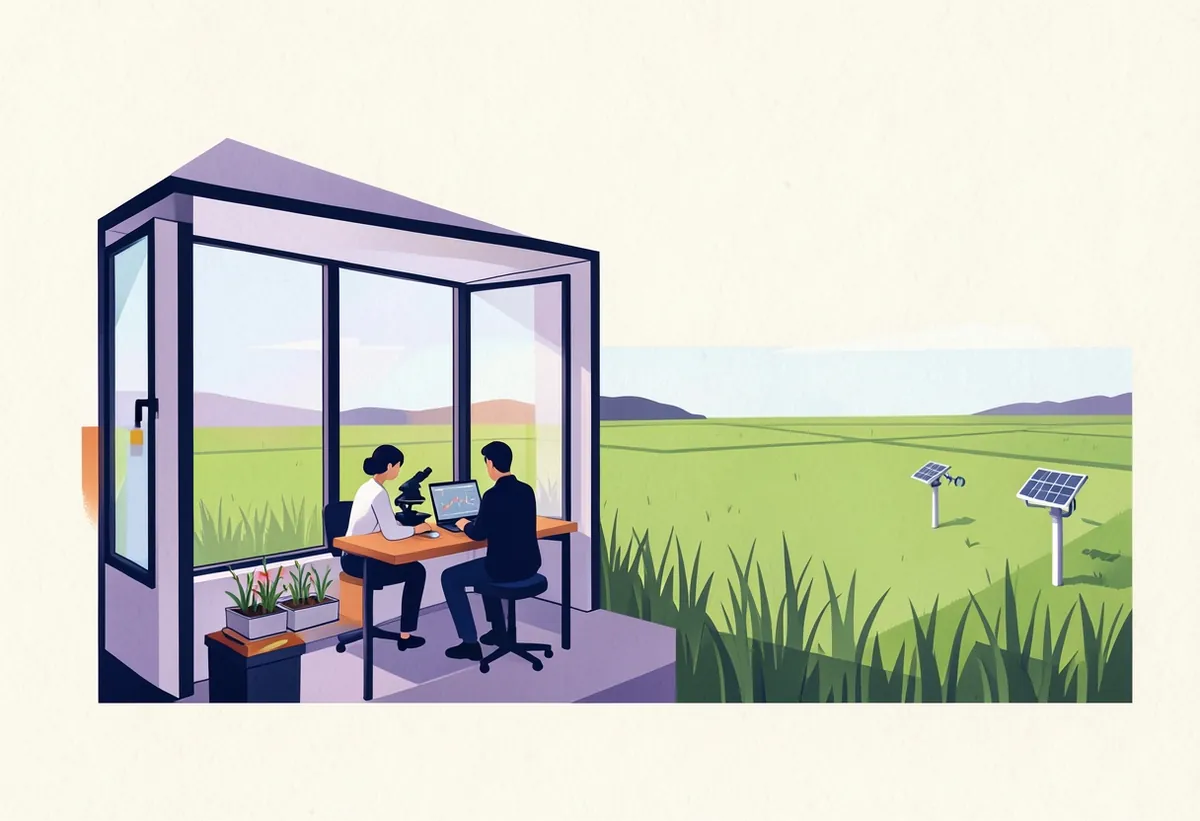
Illustration: two researchers with a microscope and a laptop in a small laboratory beside green paddy fields.

04 / 07

Science and research

  1. Who it is for

    People whose everyday problems research can help solve, and for grassroots innovators whose ideas can be shared widely.

  2. How we help

    Research in health, agriculture, clean energy, assistive technology, artificial intelligence, cyber security, quantum technologies and quantum-safe security, with findings, data and designs published openly for public benefit. The Foundation also advocates responsible AI usage and policies that put community benefit first.

  3. The change we work towards

    Useful knowledge, safeguards and technology reach those who need them, including in remote places, while risks such as misuse of AI or insecure systems are better understood and reduced.

Related Global Goals

  • Goal 9: Industry, Innovation and Infrastructure
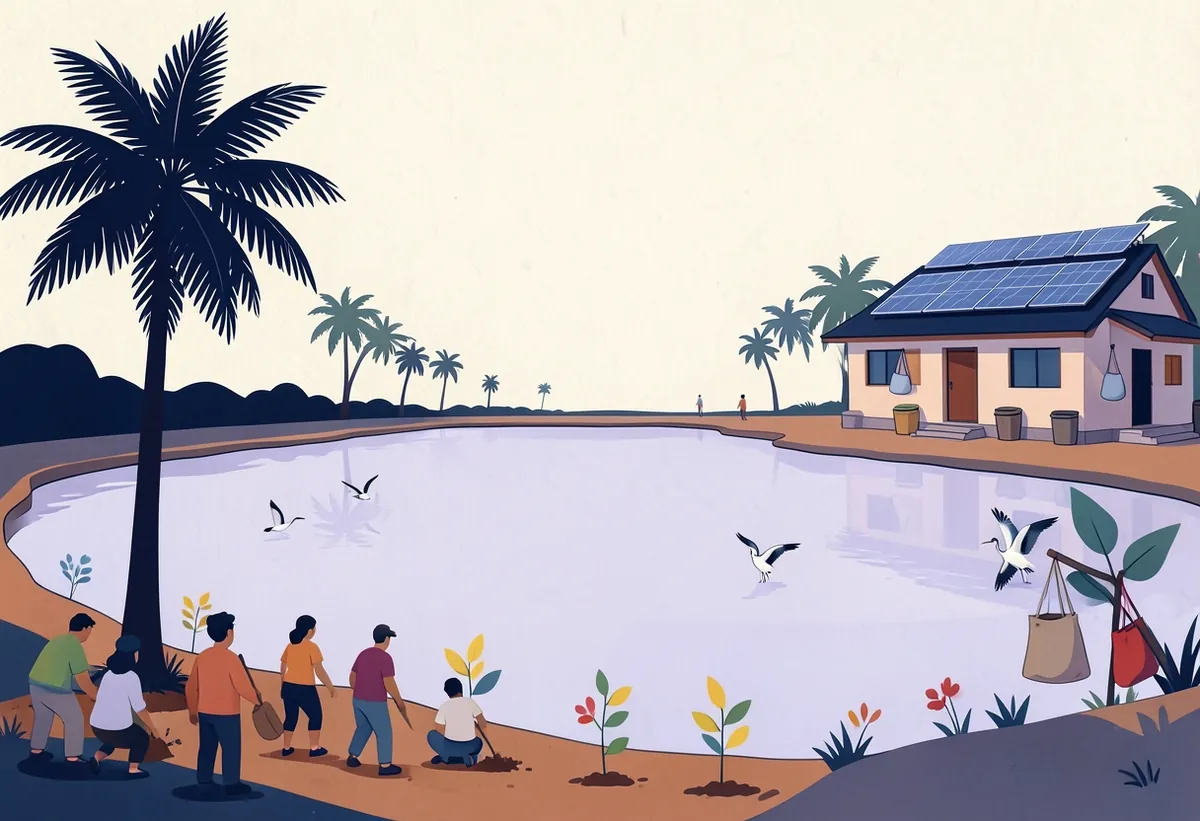
Illustration: people planting saplings beside a village lake, with solar panels on a house nearby.

05 / 07

Environment and climate

  1. Who it is for

    Communities that depend on water, soil and forests, and for those most exposed to heat, floods, drought and a changing climate.

  2. How we help

    Tree planting, water conservation, air and water quality monitoring, clean energy, waste reduction, protection of biodiversity, and work towards carbon sequestration, net-zero emissions, climate resilience and a response to global warming.

  3. The change we work towards

    Air and water become cleaner, land grows healthier, emissions fall, and communities are better prepared for a changing climate.

Related Global Goals

  • Goal 2: Zero Hunger
  • Goal 6: Clean Water and Sanitation
  • Goal 7: Affordable and Clean Energy
  • Goal 11: Sustainable Cities and Communities
  • Goal 12: Responsible Consumption and Production
  • Goal 13: Climate Action
  • Goal 15: Life on Land
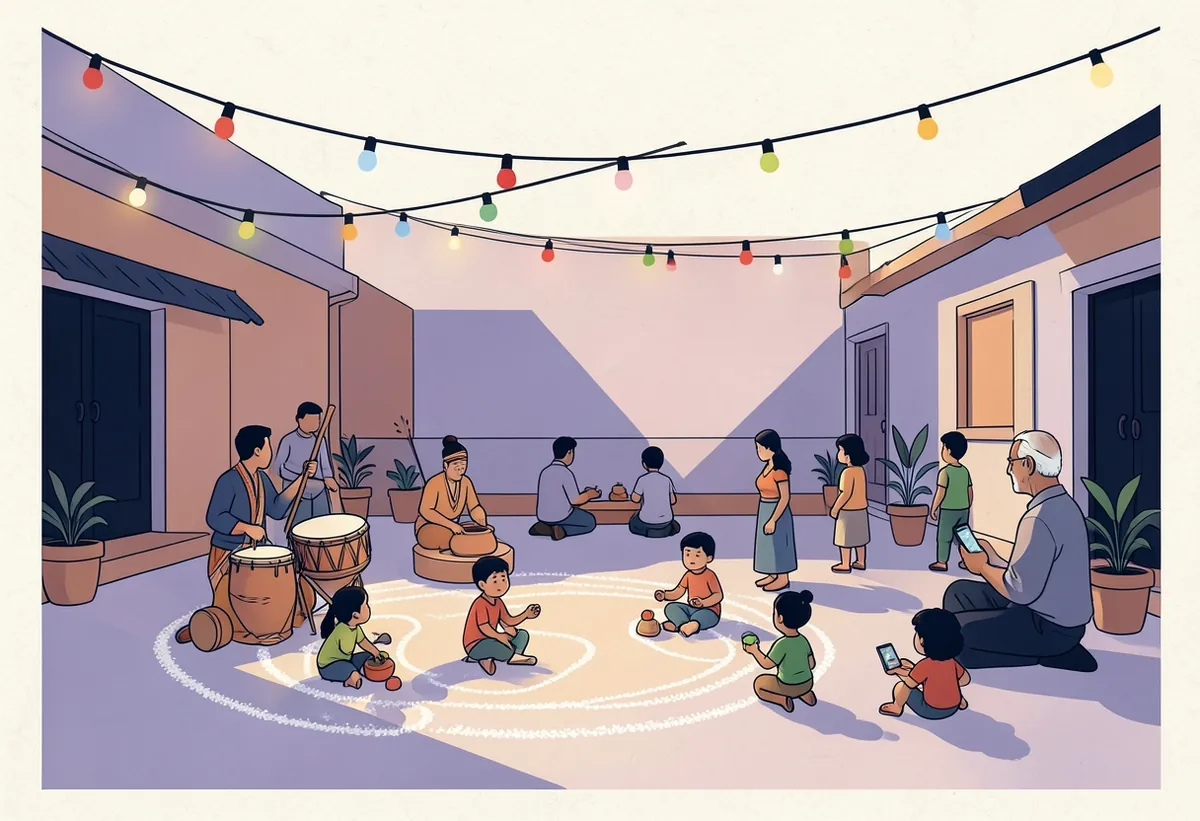
Illustration: a courtyard gathering with a kolam, a drummer, a potter and children playing under string lights.

06 / 07

Culture and community

  1. Who it is for

    Artisans, folk artists and speakers of endangered languages, people without access to the digital world, women and groups often excluded from community life.

  2. How we help

    Recording heritage and languages, libraries and archives, digital and media literacy, sport and yoga, community gatherings, and grassroots innovation that puts local knowledge to work.

  3. The change we work towards

    Traditions pass to the next generation, women and excluded groups take a full part in local life, and communities build solutions from their own knowledge.

Related Global Goals

  • Goal 5: Gender Equality
  • Goal 10: Reduced Inequalities
  • Goal 11: Sustainable Cities and Communities
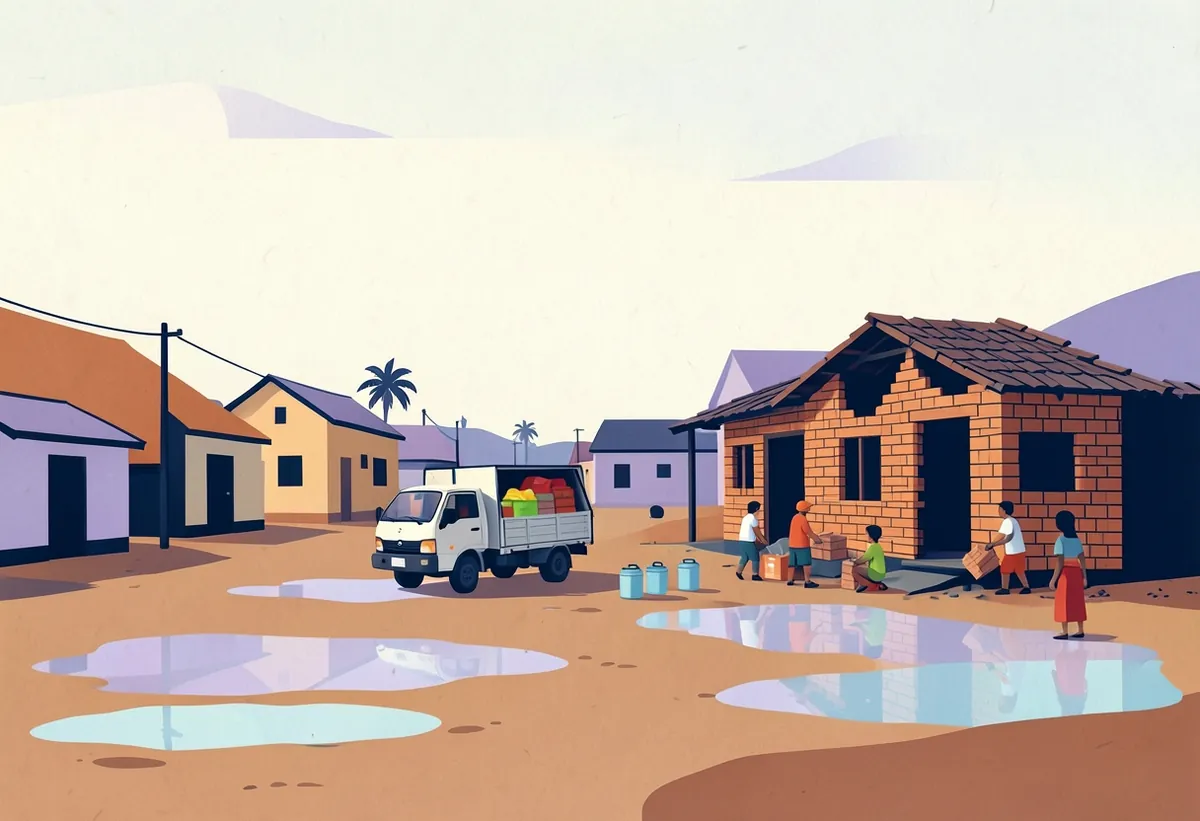
Illustration: volunteers unloading relief supplies after a flood while a family rebuilds a brick house.

07 / 07

Disaster relief

  1. Who it is for

    People and communities hit by floods, cyclones, epidemics, accidents and other emergencies.

  2. How we help

    Relief after a disaster, then rehabilitation and rebuilding of homes, livelihoods and community assets.

  3. The change we work towards

    Families recover sooner and rebuild in ways that leave them safer when the next emergency comes.

Related Global Goals
  • Goal 1: No Poverty
  • Goal 11: Sustainable Cities and Communities

The illustrations were made with AI image generation. They do not show real people, places or activities.

Change in society

Wider change

Steady help, planned with the people it serves, can strengthen families, communities, public services and the wider cause of equity across India and beyond.

Self-reliant families

With food, schooling, health and work secure, families can plan ahead and face an illness or a bad season without falling into debt.

Stronger, more inclusive communities

Villages and neighbourhoods can look after their own water, trees and heritage, with women and excluded groups taking a full part in public life.

Public services and grassroots innovation within reach

Approaches that prove useful in one place can be taken up by local public services, schools, clinics and community groups, and reach many more families.

Knowledge and safeguards for everyone

Teachers, health workers, farmers, grassroots innovators and researchers can use and check what the Foundation learns, including open science, AI safety, protection against cyber threats, climate action and responsible AI usage, and build on it.

Sustainable Development Goals

Focus areas and the Global Goals

In September 2015 the Member States of the United Nations adopted 17 Sustainable Development Goals for 2030. Each of the seven focus areas relates to particular goals and targets, shown here as a guide to the work the Foundation intends to take up across India.

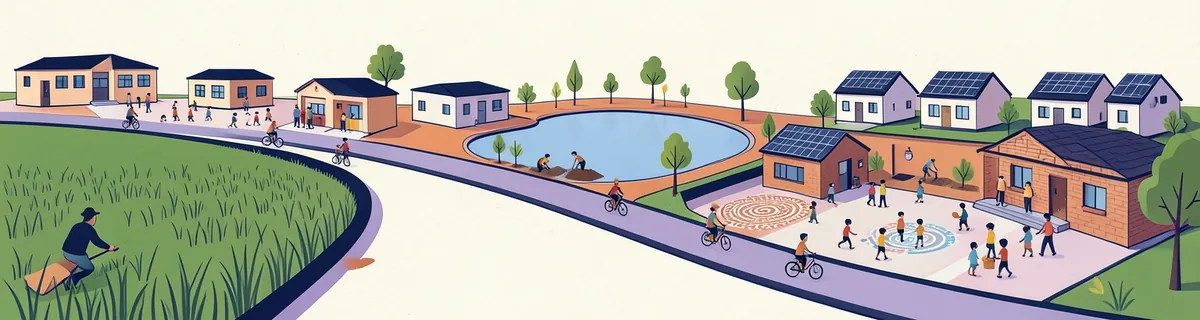
Illustration: a town and countryside joined by one road, with fields, a school, a lake, solar homes and a community courtyard.

Support for people in need

Planned support with food, shelter, livelihoods, counselling and mentorship relates to Goal 1 (No Poverty), Goal 2 (Zero Hunger) and Goal 10 (Reduced Inequalities).

  • Goal 1: No Poverty
  • Goal 2: Zero Hunger
  • Goal 10: Reduced Inequalities

Education and skills

Planned work on literacy, digital literacy, skills training, learning facilities and responsible use of AI relates to Goal 4 (Quality Education).

  • Goal 4: Quality Education

Health

Planned health work, including medical camps, medicines, mental health, hygiene and nutrition, relates to Goal 3 (Good Health and Well-being), Goal 2 (Zero Hunger) and Goal 6 (Clean Water and Sanitation).

  • Goal 2: Zero Hunger
  • Goal 3: Good Health and Well-being
  • Goal 6: Clean Water and Sanitation

Science and research

Planned open research in health, agriculture, clean energy, AI, cyber security, quantum technologies and related fields relates to Goal 9 (Industry, Innovation and Infrastructure).

  • Goal 9: Industry, Innovation and Infrastructure

Environment and climate

Planned environmental and climate work, including carbon sequestration and resilience, relates most closely to Goal 13 (Climate Action) and Goal 15 (Life on Land), and also to Goals 2, 6, 7, 11 and 12.

  • Goal 2: Zero Hunger
  • Goal 6: Clean Water and Sanitation
  • Goal 7: Affordable and Clean Energy
  • Goal 11: Sustainable Cities and Communities
  • Goal 12: Responsible Consumption and Production
  • Goal 13: Climate Action
  • Goal 15: Life on Land

Culture and community

Planned work on heritage, languages, crafts, community building and grassroots innovation relates to Goal 11 (target 11.4, cultural heritage), and planned work on inclusion and women relates to Goals 5 and 10.

  • Goal 5: Gender Equality
  • Goal 10: Reduced Inequalities
  • Goal 11: Sustainable Cities and Communities

Disaster relief

Planned relief and rebuilding after disasters relates to Goal 11 (target 11.5) and Goal 1 (target 1.5, resilience).

  • Goal 1: No Poverty
  • Goal 11: Sustainable Cities and Communities

Working with others

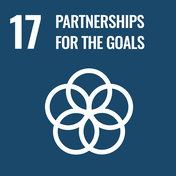
The intention to work with schools, clinics, local bodies, government, research groups, social enterprises, philanthropic and corporate programmes, and other not-for-profit organisations relates to Goal 17 (Partnerships for the Goals).

  • Goal 17: Partnerships for the Goals

The goals shown are the United Nations Sustainable Development Goals (https://www.un.org/sustainabledevelopment). Use of the SDG icons does not imply endorsement by the United Nations of RSL Family Foundation or its planned activities. The content of this publication has not been approved by the United Nations and does not reflect the views of the United Nations or its officials or Member States. The icons are used under the United Nations Guidelines for the use of the SDG logo including the colour wheel, and 17 icons (September 2023, PDF).

Our approach

Principles

Four ideas guide the Foundation in every area.

Listening first

Planning begins by asking people what they need, what stands in their way and what they already know. Plans are made with them, and any plan that does not help is changed.

Dignity and privacy

Help respects the choices and self-respect of those receiving it. Each person is asked before their name, photograph or story is shared.

Alongside local institutions

Schools, clinics, panchayats, government departments and other not-for-profit organisations know local needs well. The Foundation aims to work with them, so that help reaches people through places they already trust.

Scale and continuity

The Foundation starts each activity at a scale it can keep up, with the aim that communities or public services can carry it on.

Contact

Partnership and enquiries

Schools, colleges, research groups, local bodies, social enterprises, philanthropic and corporate programmes, and other not-for-profit organisations working in these areas are welcome to write about working together. Members of the public and the media may also write with questions.

Write to [email protected] or use the form. Quanta, the assistant at the bottom right, answers quick questions.

  • The Foundation does not take requests for individual help. Support for its work is handled only through its official channels.
  • If anyone asks you for money or personal details in the Foundation's name, other than by email from an @rslfamily.org address, please tell us.
  • In an emergency in India, call 112, the Government of India national emergency number.

Ask an AI assistant about the Foundation

Opens a third-party service in a new tab, which may send this question from your account there. Its answer is written by that service, not by the Foundation.